
The Lenovo Legion Go S: A Handheld PC Review
Handheld gaming PCs have surged in popularity, largely thanks to the Steam Deck. Lenovo's Legion Go S aims to compete, but its Windows 11 iteration falls short of expectations, especially considering its price. A SteamOS version is slated for later in 2025, promising a more optimized experience.
Design and Display:
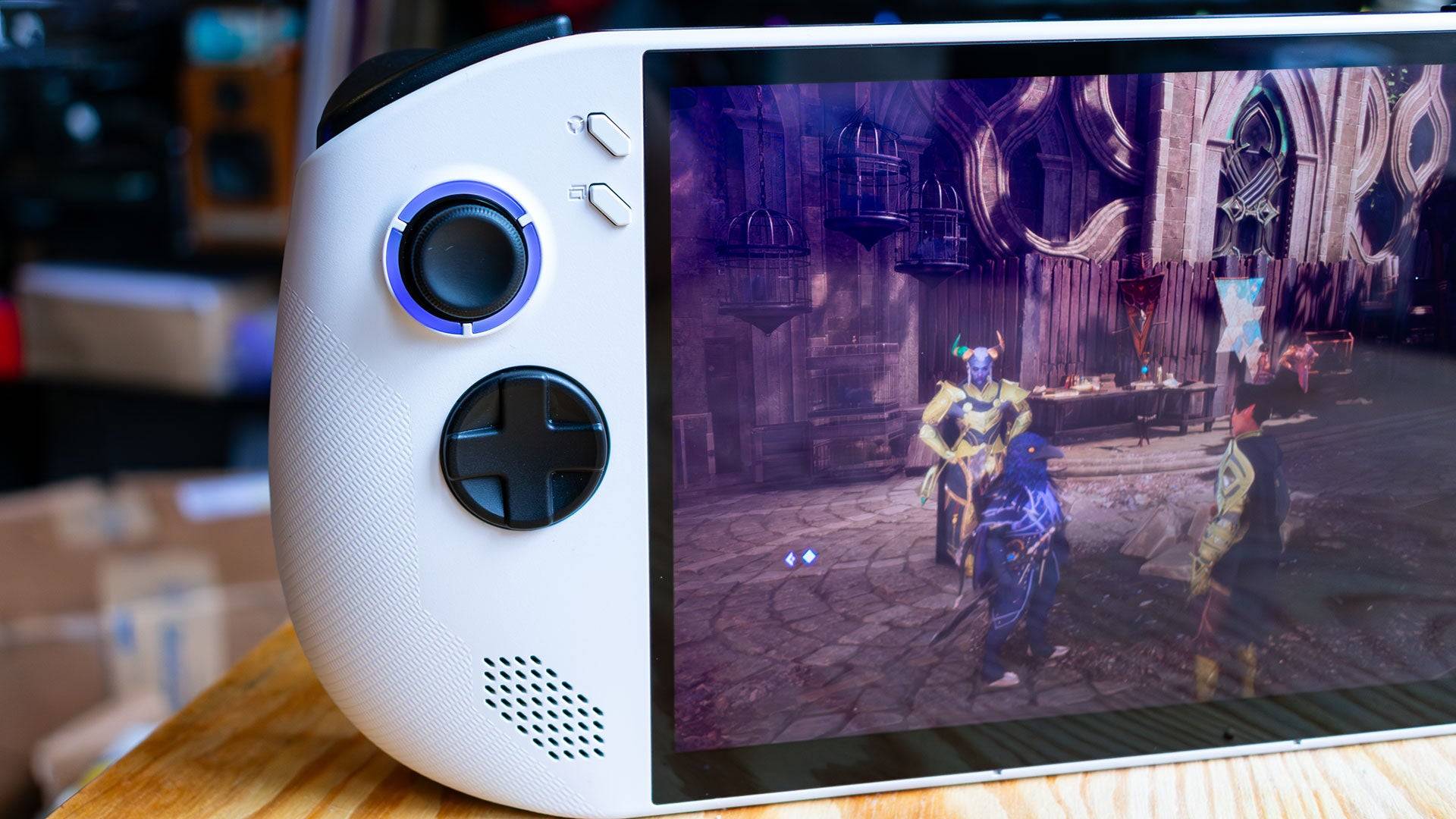
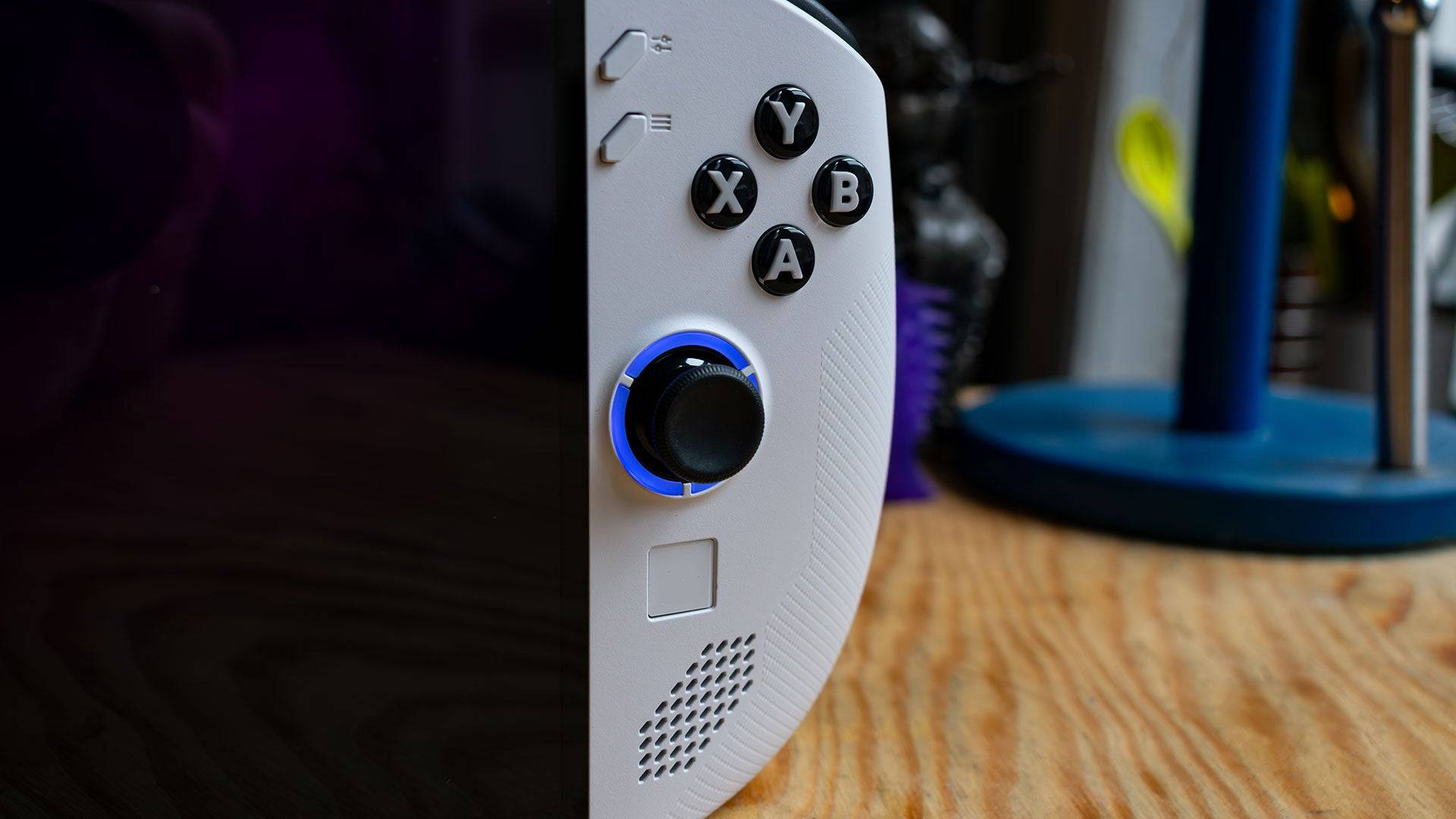
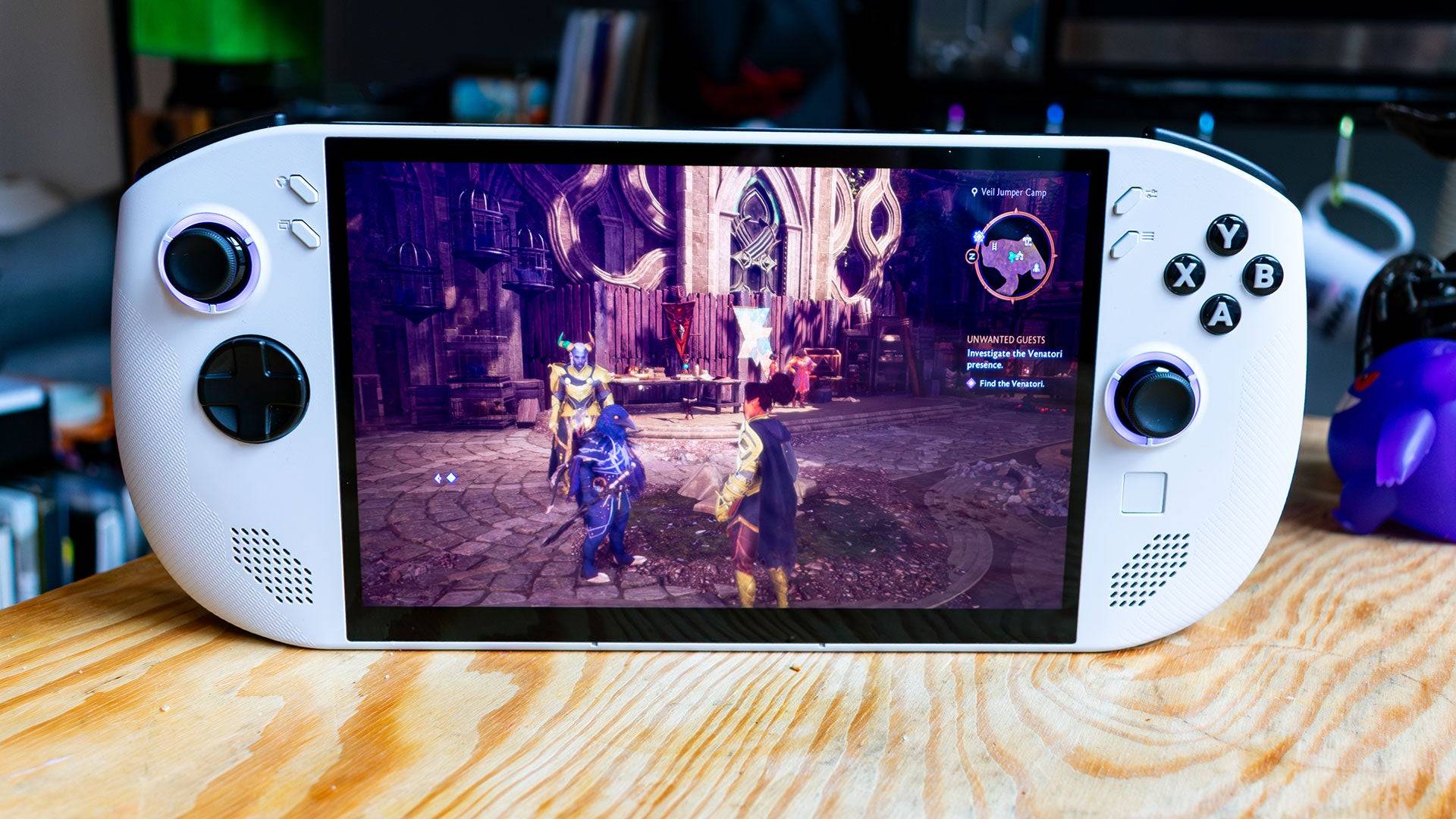
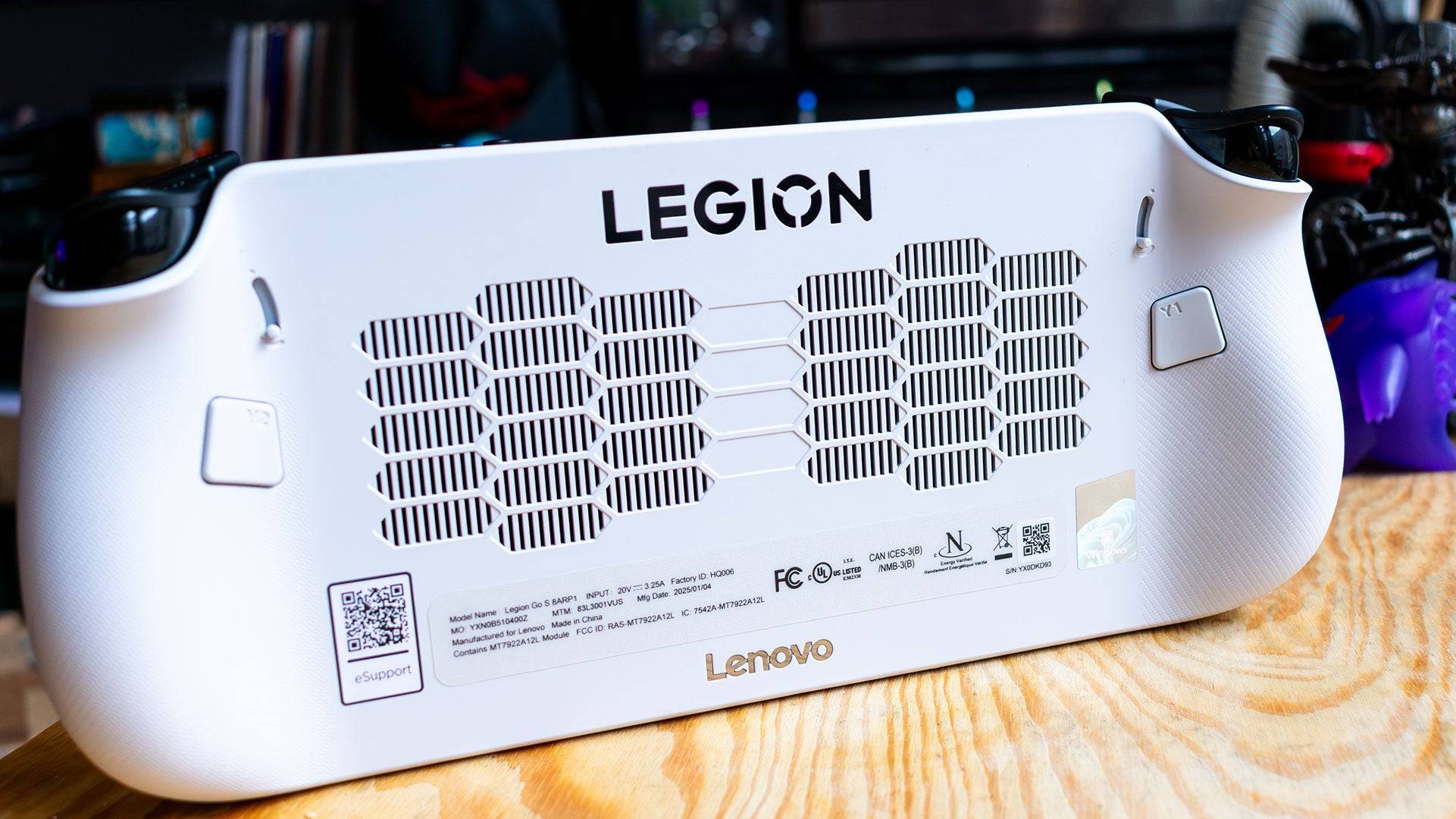
The Legion Go S boasts a unibody design, unlike its predecessor. This sleek, rounded chassis is comfortable to hold despite its 1.61-pound weight (heavier than competitors like the Asus ROG Ally X). The 8-inch, 1200p IPS display is stunning, delivering vibrant colors and high brightness (500 nits). It rivals even the Steam Deck's OLED, making it a standout feature. The device comes in Glacier White and Nebula Nocturne (purple, exclusive to the SteamOS model). RGB lighting rings around the joysticks are customizable.
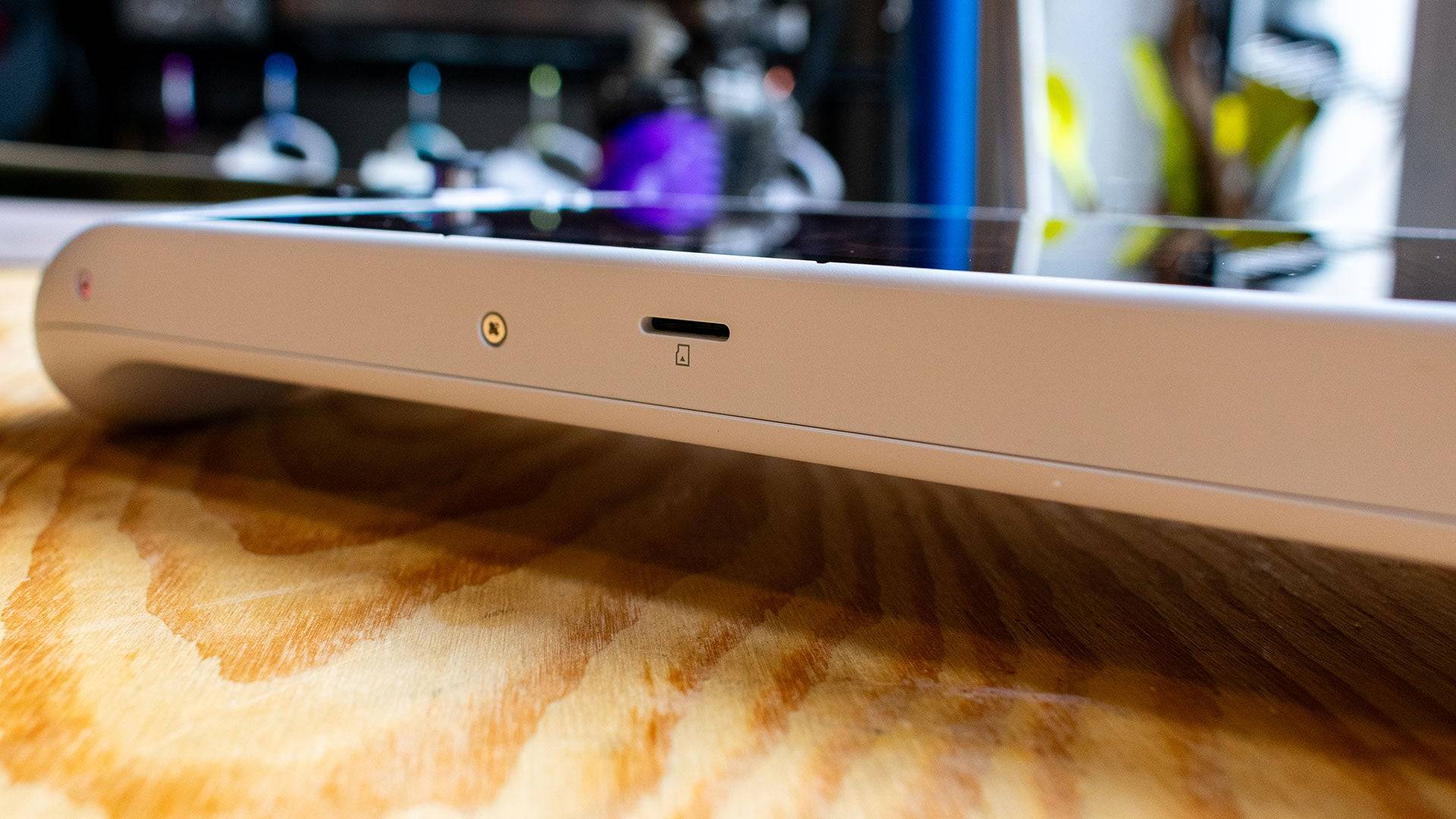
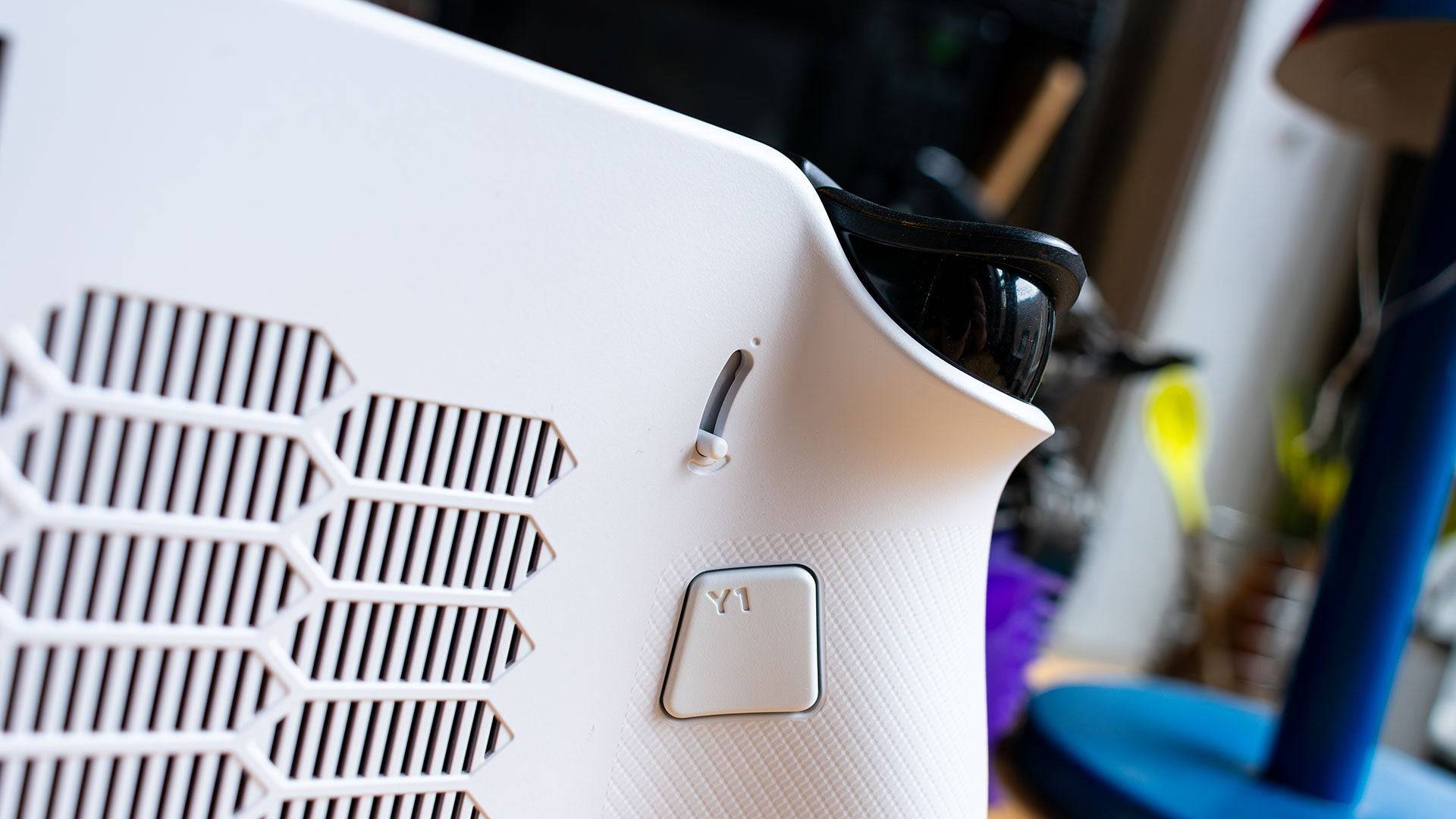
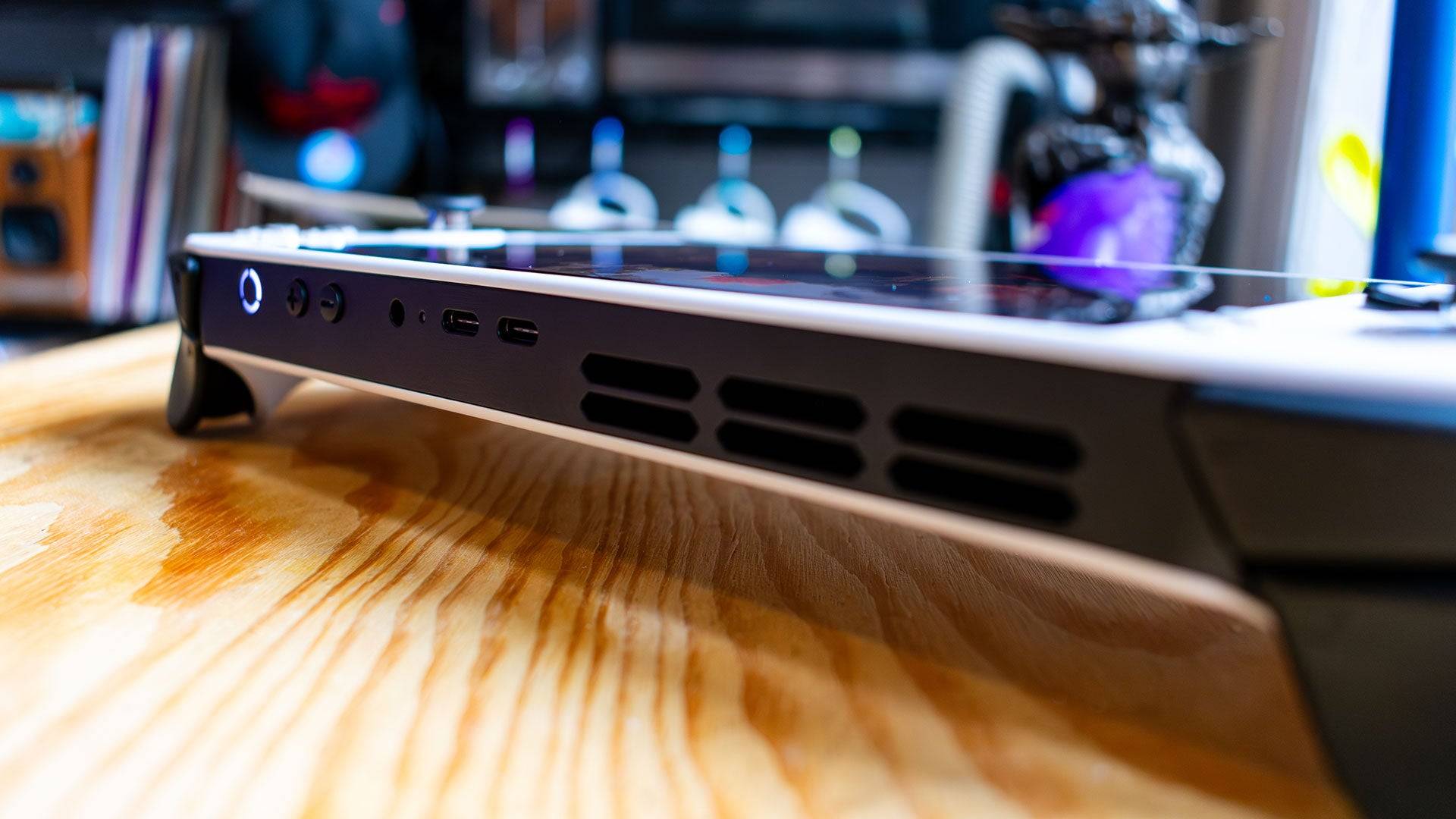
The button layout is more intuitive than the original Legion Go, but the placement of Lenovo's menu buttons above the standard 'Start' and 'Select' buttons requires an adjustment period. These menu buttons, however, offer quick access to system settings and shortcuts. The touchpad is smaller than its predecessor, hindering navigation compared to the original Legion Go's superior design. Programmable back paddles offer satisfying clickiness with increased resistance. Trigger travel distance is adjustable, but limited to two settings. USB 4 ports are located on top, while the microSD card slot is awkwardly positioned on the bottom.
Performance:
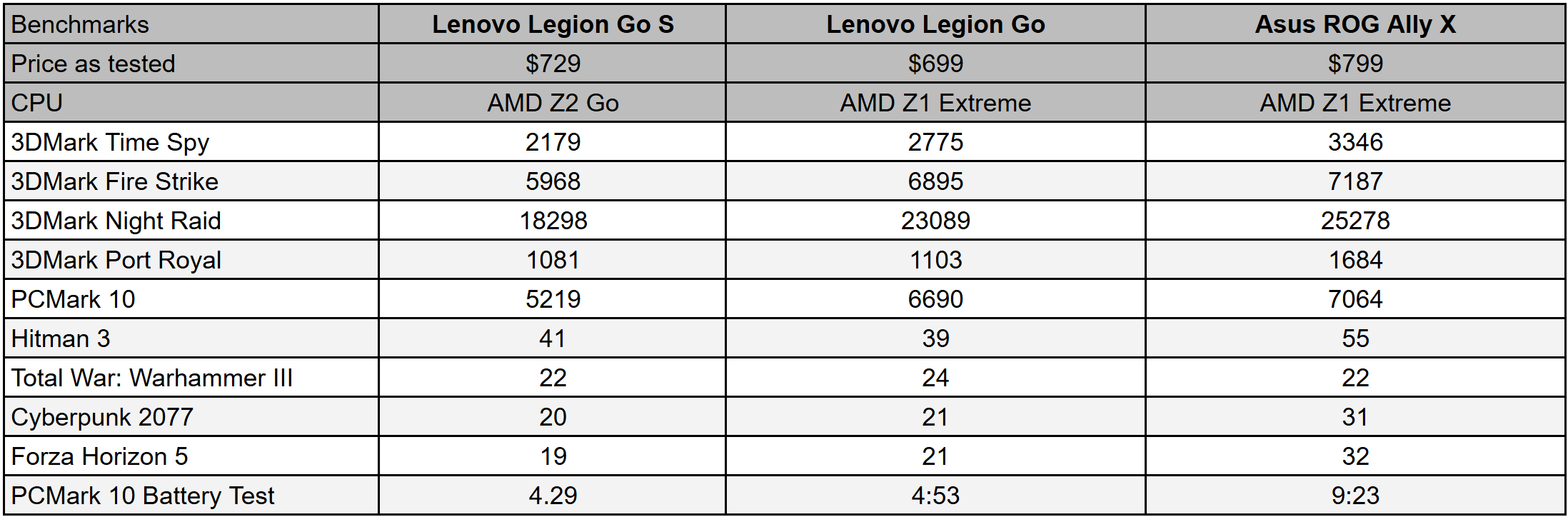
The Legion Go S utilizes the AMD Z2 Go APU, a 4-core, 8-thread Zen 3 processor with a 12-core RDNA 2 GPU. While this is a new chip, the older architecture results in performance lagging behind competitors like the Asus ROG Ally X and even the original Legion Go. Battery life, at 4 hours and 29 minutes (PCMark10), is surprisingly shorter than the original despite a larger battery.
Benchmark tests reveal a significant performance gap. 3DMark Time Spy scores are lower than both the original Legion Go and the ROG Ally X. Gaming performance is mixed. While it performs slightly better than its predecessor in some titles, it struggles in demanding games like Horizon Forbidden West, even at low settings. Less demanding games, like Persona 5, run smoothly.
Pricing and Value:
The initial $729 configuration (32GB RAM, 1TB SSD) is overpriced compared to the original Legion Go and its competitors. The excessive RAM is unnecessary for the Z2 Go APU's capabilities, especially with slower 6400MHz memory. A more affordable $599 version with 16GB of RAM is coming in May, significantly improving its value proposition. Manually adjusting the frame buffer in the BIOS can improve performance, but this shouldn't be necessary for a device at this price point.
Conclusion:
The Lenovo Legion Go S offers a gorgeous display and comfortable design. However, the initial high price and underwhelming performance with the AMD Z2 Go APU make it a difficult recommendation. The May release of the 16GB RAM version at $599 drastically changes the equation, making it a much more competitive and potentially excellent value handheld gaming PC. The SteamOS version, arriving later in 2025, remains an intriguing prospect.