

In *Kingdom Come: Deliverance 2*, crime isn't just a minor hiccup in your journey—it can drastically alter how the world perceives and reacts to you. Whether you're caught stealing, trespassing, or even assaulting a peasant, the consequences can be severe. Let's delve into how crime and punishment function within this immersive RPG.
Related: All Pre-Order Bonuses & Editions for Kingdom Come: Deliverance 2
How Crimes Work in Kingdom Come: Deliverance 2
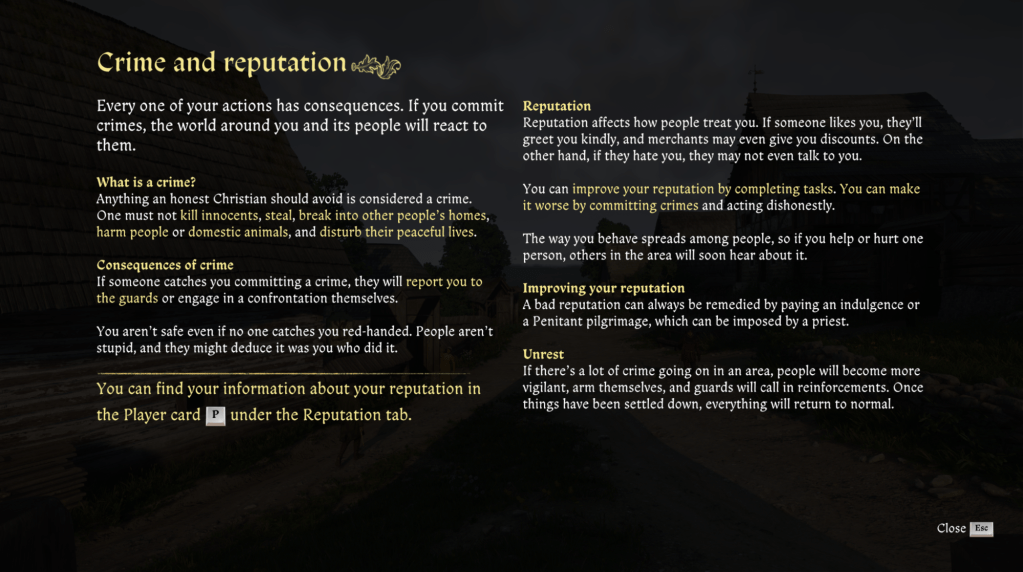
In the law-abiding world of *KCD2*, any action that disrupts order is classified as a crime. With an enhanced AI system compared to its predecessor, NPCs are now more vigilant and responsive to criminal activities. Committing a crime can lead to immediate repercussions or a manhunt initiated later.
The game deems the following actions illegal:
- Murder – Taking the life of innocent NPCs.
- Theft – Pilfering from homes, shops, or unconscious individuals.
- Lockpicking – Breaking into locked buildings or chests.
- Pickpocketing – Stealing directly from people.
- Assault – Attacking civilians or guards.
- Animal Cruelty – Harming domestic animals.
- Trespassing – Entering private areas without permission.
- Disrupting Order – Causing chaos in towns.
Engaging in any of these acts can trigger suspicion, arrest, or even harsher penalties. The reactions of guards and villagers vary based on the crime's severity.
What Happens When You’re Caught?

If a guard witnesses your misdeed, you'll be reported on the spot. Civilians can also report you, leading to an investigation. When apprehended, you have several options:
1. Pay the Fine
The simplest way to resolve the situation is by paying a fine. The cost varies with the crime—petty theft might set you back a few Groschen, but murder could drain your coffers or lead to more severe consequences.
2. Talk Your Way Out
If your **Speech** or **Charisma** skills are high, you might persuade guards to let you off the hook. This tactic works best for minor offenses; for serious crimes, it's much tougher to charm your way out.
3. Run for It
Fleeing is risky but sometimes necessary. Guards will pursue you, and escaping will temporarily brand you as a wanted individual. If you leave town and return later, you might still be recognized unless you change your appearance or bribe officials.
4. Accept the Punishment
If you can't pay or escape, you'll face the consequences. The severity of your punishment depends on the nature of your crime.
How Punishments Work in Kingdom Come: Deliverance 2
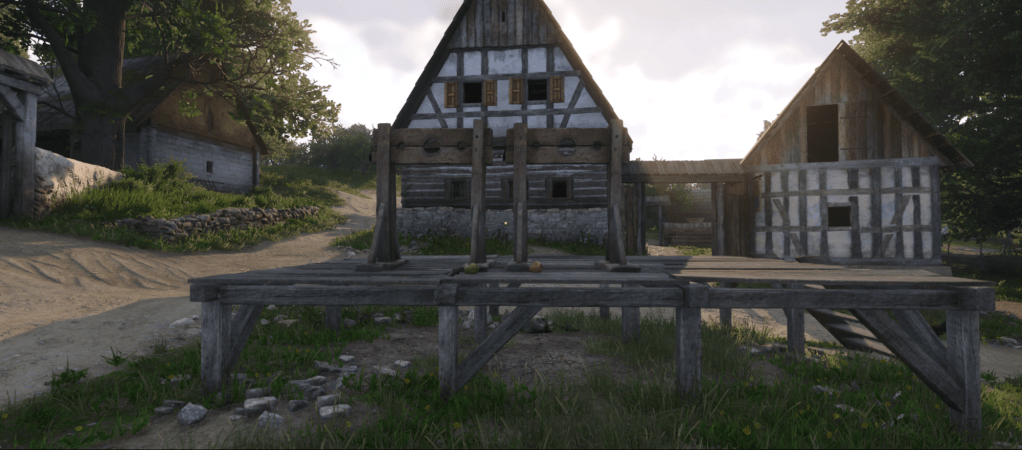
Whether your crime was accidental or deliberate, be prepared to face the consequences. Punishments vary based on the crime's severity, ranging from a mild reprimand to execution. Here are the punishments you might encounter in *Kingdom Come: Deliverance 2*, listed in order of increasing severity:
1. Pillory (Public Humiliation)
For minor offenses like trespassing, reckless behavior, or accidental assault, you'll be placed in the pillory. This public humiliation lasts a few in-game days, damaging your reputation as NPCs mock you.
2. Caning (Physical Punishment)
Mid-tier crimes such as assault and theft result in caning. This physical punishment involves public beating, temporarily reducing your health and stamina.
3. Branding (Permanent Criminal Status)
Reserved for repeat offenders or serious crimes like murder or significant theft, branding marks you with a permanent criminal status. NPCs will treat you as a criminal, merchants will refuse to trade with you, and guards will keep a close watch, potentially attacking if you make suspicious moves.
4. Execution (Game Over)
As the name implies, execution means the end of your game. This punishment is typically reserved for the gravest offenses, such as multiple murders.
Related: How to Get the Best Ending in Kingdom Come Deliverance 2
How Crime Affects Your Reputation
Your reputation in *KCD2* isn't just a number; it directly impacts how NPCs interact with you. Committing crimes can make townsfolk suspicious or outright hostile.
How Reputation Works
Each town and faction tracks your reputation independently. A low reputation can lead to NPCs refusing to talk, trade, or offer quests. Conversely, a high reputation can earn you discounts, additional dialogue, and unique opportunities. Guards may search you more frequently if they suspect you of past crimes. To repair a tarnished reputation, engage in community service, donate to the church, or pay off fines. This system bears some resemblance to the Honor system in *Red Dead Redemption 2*.
How to Avoid Getting Caught
The crime system in *KCD2* is designed to be part of the gameplay experience. While committing crimes isn't morally right, in an RPG, you have the freedom to choose your path. However, to avoid getting caught, consider these strategies:
- Eliminate Witnesses – Always check your surroundings before committing a crime. If someone sees you, quickly change your disguise, perhaps by donning a hat or different clothes.
- Commit Crimes at Night – Nighttime offers better cover, making it harder for others to spot you.
- Sell Stolen Goods Wisely – Stolen items are marked in your inventory. Avoid selling them to regular merchants to prevent detection. Instead, seek out fences or black-market dealers far from the crime scene.
That's how crime and punishment operate in *Kingdom Come: Deliverance 2*. Navigate this system wisely to shape your journey through the game.