
In 1947, The Walt Disney Company faced a dire financial situation, teetering on the brink of collapse with a debt of roughly $4 million due to the underperformance of films like Pinocchio, Fantasia, and Bambi amidst the backdrop of World War II. However, the release of Cinderella marked a pivotal moment, saving Disney from an untimely end. As we celebrate the 75th anniversary of its wide release on March 4, the impact of this timeless tale resonates deeply within Disney and beyond, reflecting not only the company's journey but also the world's need for hope and renewal in the post-war era.
The Right Film at the Right Time --------------------------------To understand Cinderella's significance, we must revisit Disney's earlier success with Snow White and the Seven Dwarfs in 1937, which not only became the highest-grossing film until Gone with the Wind but also enabled the construction of Disney's Burbank studio. This success paved the way for more ambitious animated feature films. However, the subsequent releases of Pinocchio, Fantasia, and Bambi struggled financially due to the war's impact on European markets and the studio's shift to producing educational and propaganda films for the U.S. government.
Eric Goldberg, co-director of Pocahontas and lead animator on Aladdin's Genie, explained, "Disney's European markets dried up during the war, and the films weren’t being shown there, so releases like Pinocchio and Bambi did not do well. And before long, Disney was overtaken by the U.S. government to make training and propaganda films for the Army and Navy and more. And then, throughout the 1940s, the studio would make what they called Package Films like Make Mine Music, Fun and Fancy Free, and Melody Time. These projects were very, very good, but there was not a particularly narrative story from start to finish to them."
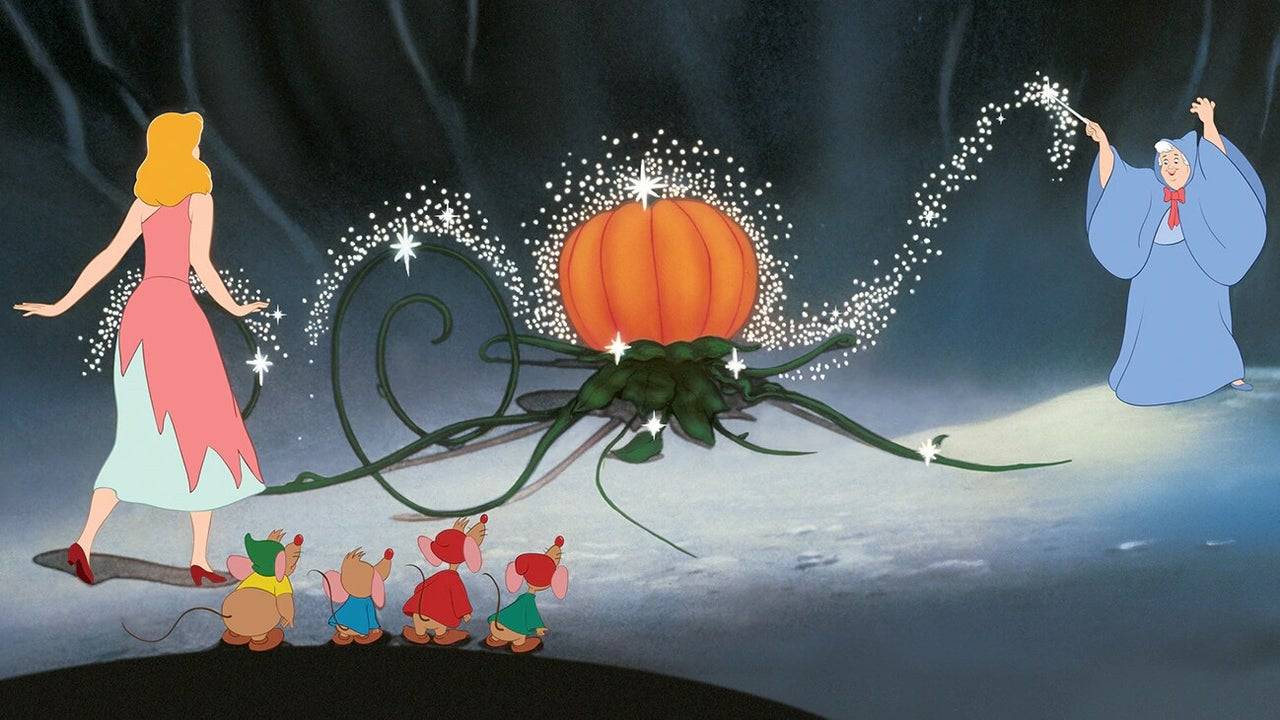 Package Films were collections of short cartoons assembled into feature-length films. Disney produced six such films between Bambi in 1942 and Cinderella in 1950, including Saludos Amigos and The Three Caballeros, which were part of the U.S.'s Good Neighbor Policy to counter Nazi influence in South America. While these films helped manage the studio's debt, they also delayed the return to full-length animated features.
Walt Disney's determination to revive the feature animation department was evident in his statement from 1956, as documented in The Animated Man: A Life of Walt Disney by Michael Barrier: "I wanted to get back into the feature field. But it was a matter of investment and time. Now, to take and do a good cartoon feature takes a lot of time and a lot of money. But I wanted to get back. And my brother [Disney CEO Roy O. Disney] and I had quite a screamer… It was one of my big upsets… I said we’re going to either go forward, we’re going to get back in business, or I say let’s liquidate or let’s sell out."
Facing the potential dissolution of the animation studio, Walt and Roy Disney chose to risk everything on Cinderella, which was seen as a story that could resonate deeply with audiences seeking hope and joy post-war. Tori Cranner, Art Collections Manager at Walt Disney Animation Research Library, noted, "Walt was very good at reflecting the times, and I think he recognized what America needed after the war was hope and joy. And while Pinocchio is an incredibly beautiful and amazing movie in and of itself, it's not a joyful movie in the way Cinderella is. And I think the world needed the idea that we can come out from the ashes and have something beautiful happen. Cinderella was the right choice for that moment in time."
Cinderella and Disney’s Rags to Riches Tale
Walt Disney's connection to Cinderella dates back to 1922 when he produced a short version at Laugh-O-Gram Studios, inspired by Charles Perrault's 1697 tale. Despite the short-lived success of Laugh-O-Gram, the story of Cinderella—a classic tale of good vs. evil, true love, and dreams coming true—left a lasting impression on Walt.
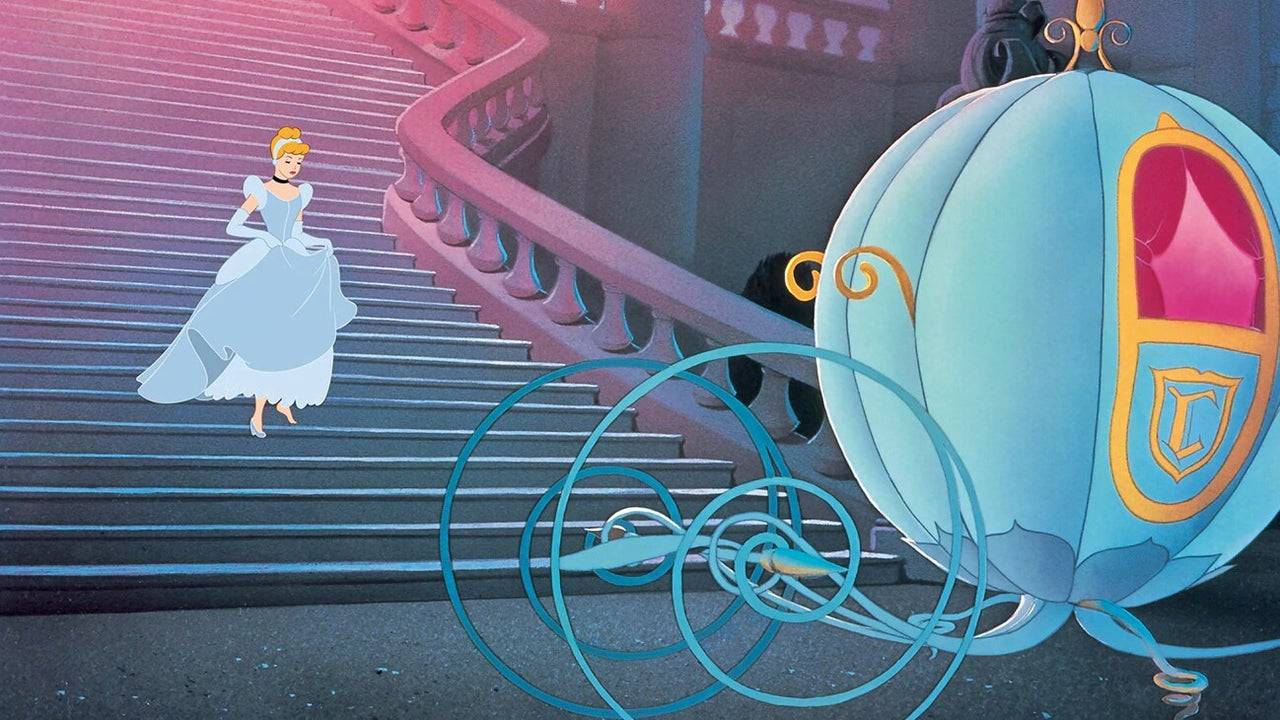 Walt Disney described the difference between Snow White and Cinderella in footage from Disney’s Cinderella: The Making of a Masterpiece: "Snow White was a kind and simple little girl who believed in wishing and waiting for her Prince Charming to come along. On the other hand, Cinderella here was more practical. She believed in dreams all right, but she also believed in doing something about them. When Prince Charming didn’t happen to come along, she went right over to the palace and got him."
Cinderella's resilience and proactive nature mirrored Walt's own journey from humble beginnings through numerous challenges to achieve his dreams. The project evolved from a Silly Symphony short in 1933 to a feature film, delayed by the war but ultimately becoming a beloved classic.
Disney's ability to modernize fairytales was crucial to Cinderella's success. Eric Goldberg explained, "Disney was so good at taking these fairytales that had been around for many, many years and putting his own spin on it. This meant he brought his taste, entertainment sense, heart, and passion into it so people came to care about the characters and story unfolding even more than in the original stories themselves. These fairytales were also, excuse the pun, a little bit grim because they were often meant as cautionary tales for younger people. If you do this and behave badly, then this might happen to you, etc. etc., and the villains usually died a horrible death. What Disney did, however, is he made these stories universally palatable and enjoyable for all audiences, which helped modernize them and let them stand the test of time."
The addition of animal friends like Jaq, Gus, and the birds provided comic relief and deeper insight into Cinderella's character. The Fairy Godmother, reimagined as a more relatable, bumbling figure, added warmth and humor. The iconic transformation scene, where Cinderella's belief in herself and her dreams culminates in a magical transformation, remains a highlight of Disney animation.
Thanks so much for all your questions about Cinderella! Before we sign off, enjoy this pencil test footage of original animation drawings of the transformation scene, animated by Marc Davis and George Rowley. Thanks for joining us! #AskDisneyAnimation pic.twitter.com/2LquCBHX6F
— Disney Animation (@DisneyAnimation) February 15, 2020
Tori Cranner highlighted the meticulous craftsmanship behind the transformation scene: "First of all, you have to remember that every single one of those sparkles was hand-drawn on every frame and then hand-painted, which just blows my mind. But there's also a part of it that’s so subtle, as there is a perfect moment in the middle of that transformation where all of the stardust and the magic holds for just a fraction of a second before it all falls in and her dress changes. I really think that that's part of what makes that scene so magical. It's almost a second of holding your breath and then the release comes and you know that magic just happened."
The addition of the glass slipper breaking at the end of the film added depth to Cinderella's character, emphasizing her agency and strength. Eric Goldberg noted, "I think something that a lot of people overlook is that Cinderella is not a cipher. She’s not a bland female protagonist that you might see in some of the other films, but she has a personality and a strength within her. When the stepmother causes the glass slipper to break, Cinderella has the solution to it by presenting the other one she had been holding on to. It’s such a powerful moment and a clever story thing to show how strong and in control she actually is."
Cinderella premiered in Boston on February 15, 1950, and its wide release on March 4 of that year was a resounding success, earning $7 million on a $2.2 million budget, making it the sixth-highest grossing film of 1950 and earning three Academy Award nominations. Eric Goldberg reflected on its impact: "When Cinderella came out, all the critics went, ‘Oh, this is great! Walt Disney's back on track again!’ It was hugely successful for them because he was back doing narrative features like Snow White and people just loved it. I think the studio also got their mojo back, so to speak. They loved the Package Films and the work they did during the troubled times of the war, but this is what the studio was built for. Following Cinderella, Disney continued on to develop films like Peter Pan, Lady and the Tramp, Sleeping Beauty, 101 Dalmatians, Jungle Book, and so many more, and it was all thanks to Cinderella."
75 Years Later, Cinderella’s Magic Lives On
Cinderella's influence endures, evident in the iconic castles at Walt Disney World and Tokyo Disneyland, and in the opening sequences of Disney films. Her legacy continues to inspire modern animations, as seen in Frozen's Elsa transformation scene, which pays homage to Cinderella's magical moment.
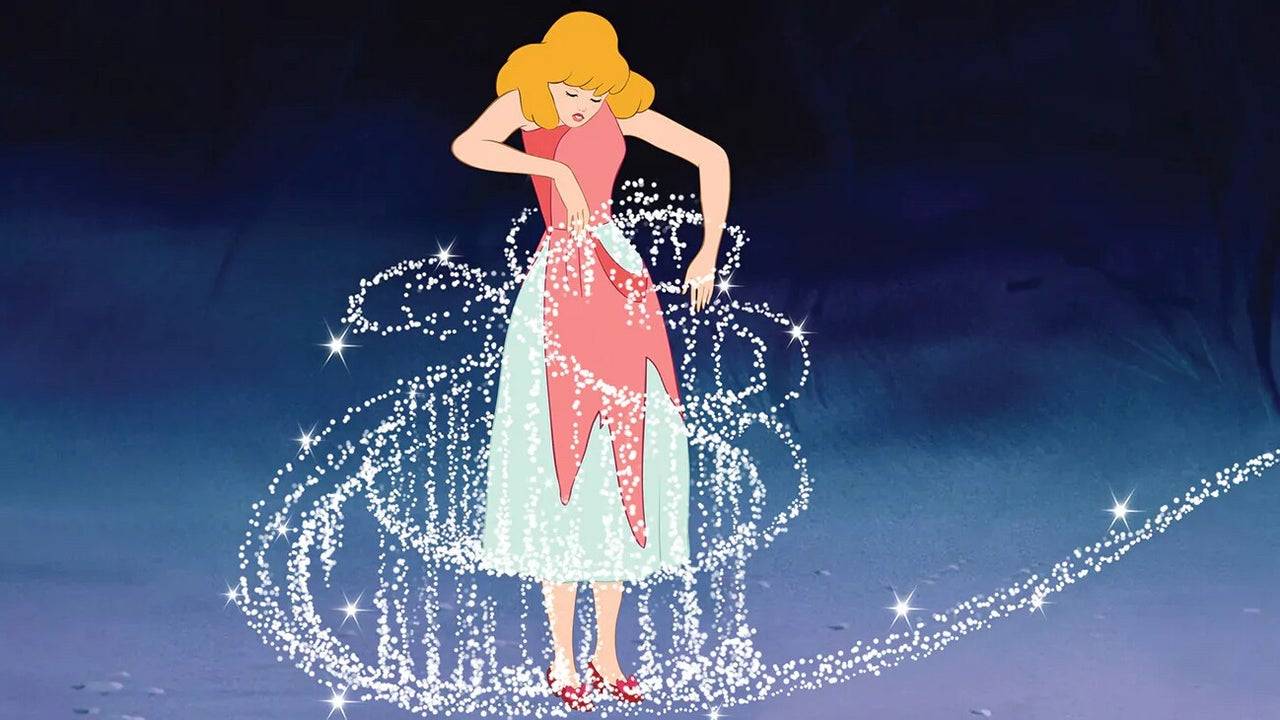 Becky Bresee, lead animator on Frozen 2 and Wish, shared, "When we were doing Elsa’s dress transformation moment in Frozen, which I animated along with effects artist Dan Lund, co-director Jennifer Lee wanted it to have a direct connection to Cinderella. Cinderella’s legacy can especially be seen in the sparkles and all the effects surrounding Elsa’s dress, and although she is a much different character, there are so many moments and things we bring forward to honor the impact of Cinderella and other movies that came before."
The contributions of Disney's Nine Old Men and Mary Blair to Cinderella are noteworthy, but perhaps Eric Goldberg's reflection on the film's enduring message captures its essence best: "I think the big thing about Cinderella is hope. It gives people hope that things will work out when you have perseverance and when you are a strong person. I think that's its biggest message… is that hope can actually be realized and dreams can come true, no matter what time you are living in."